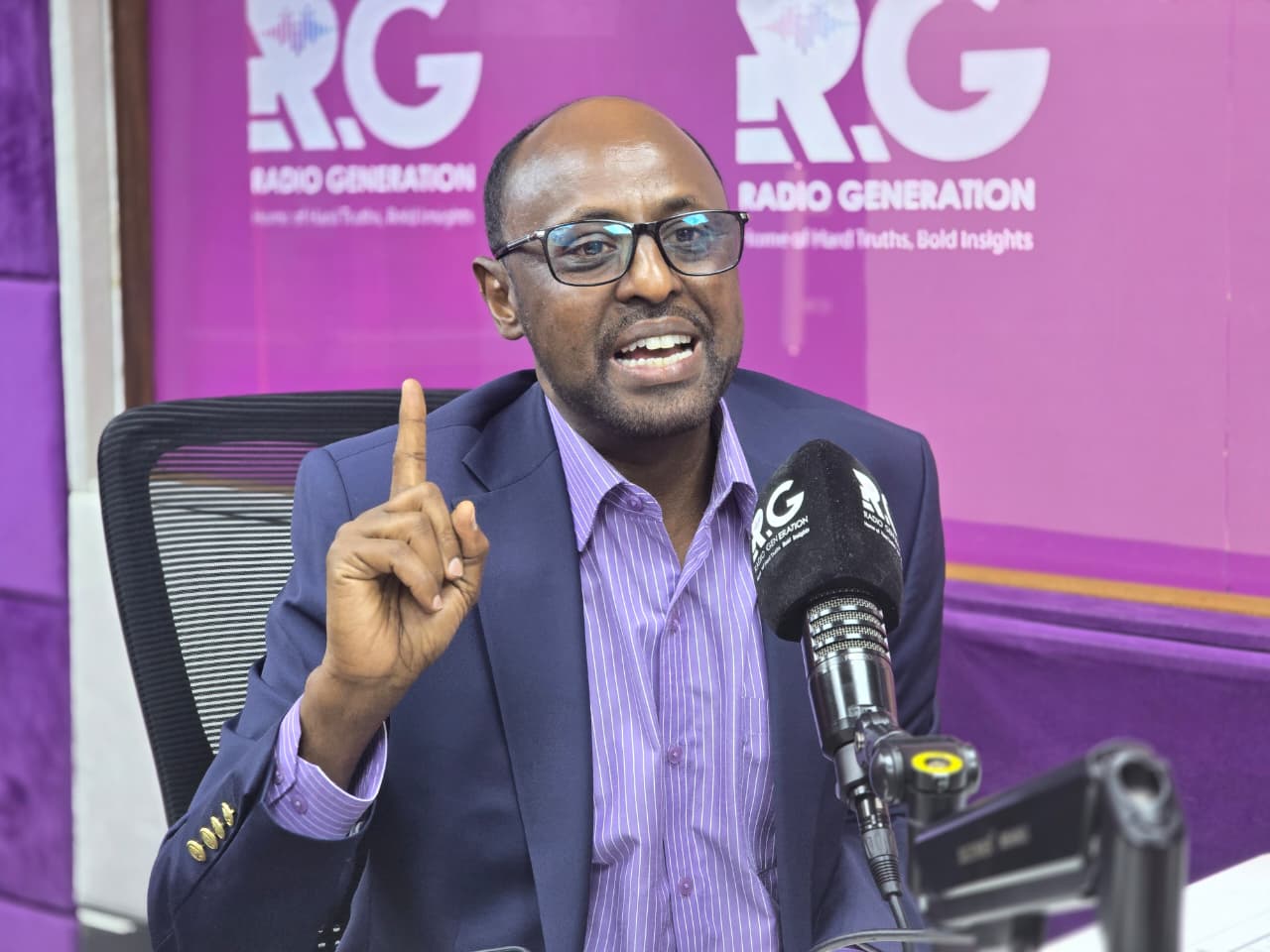
Maliba Arnold, leader of the Progress Plus Alliance (PPA), has laid the blame for Nairobi’s recent flooding at the door of both county and national agencies.
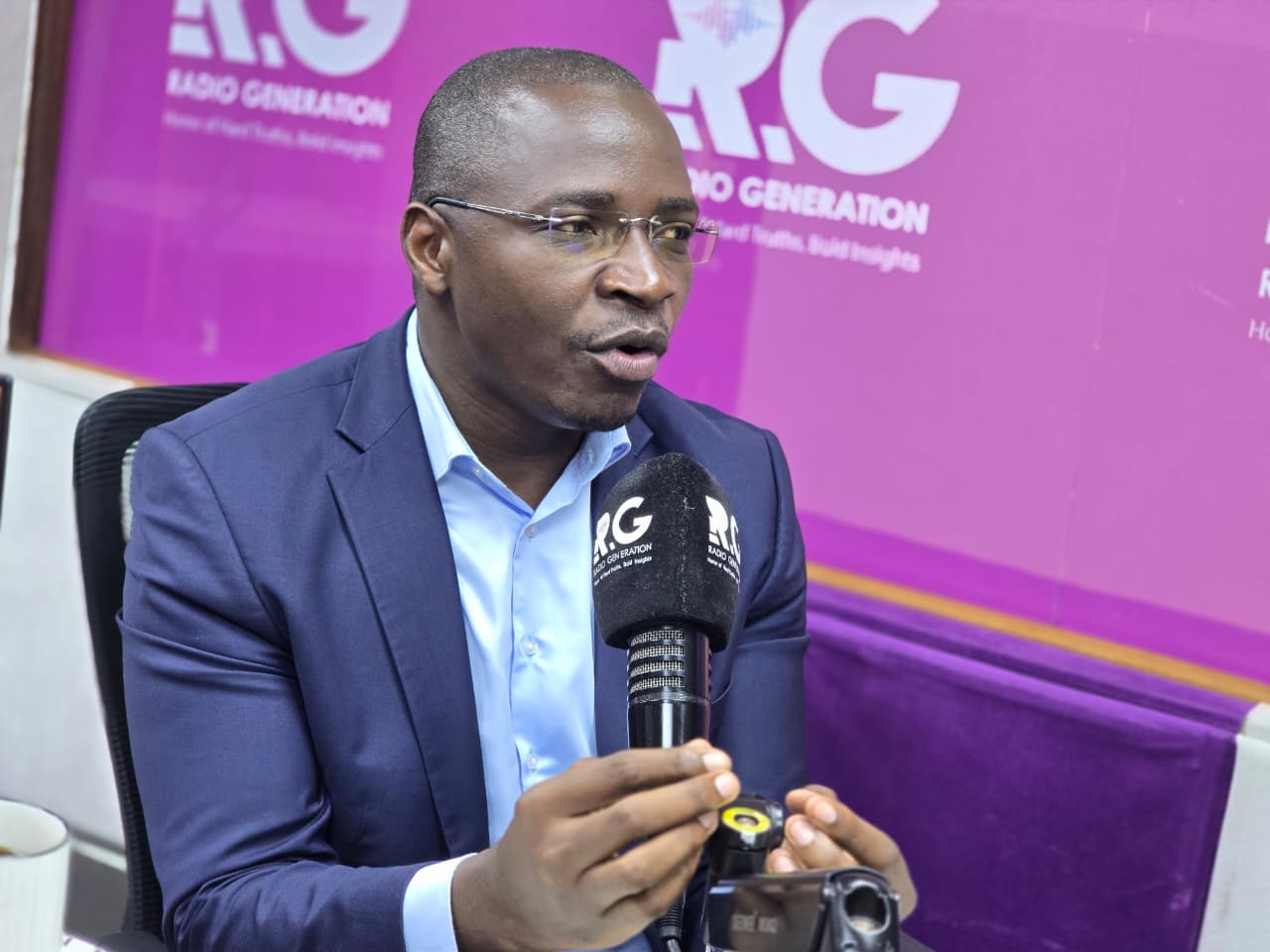
Speaking on Radio Generation on Monday, he stressed that mismanagement, lack of coordination, and political interference across 20 agencies have compounded the city’s challenges, leaving residents exposed to recurrent floods and infrastructure failure.
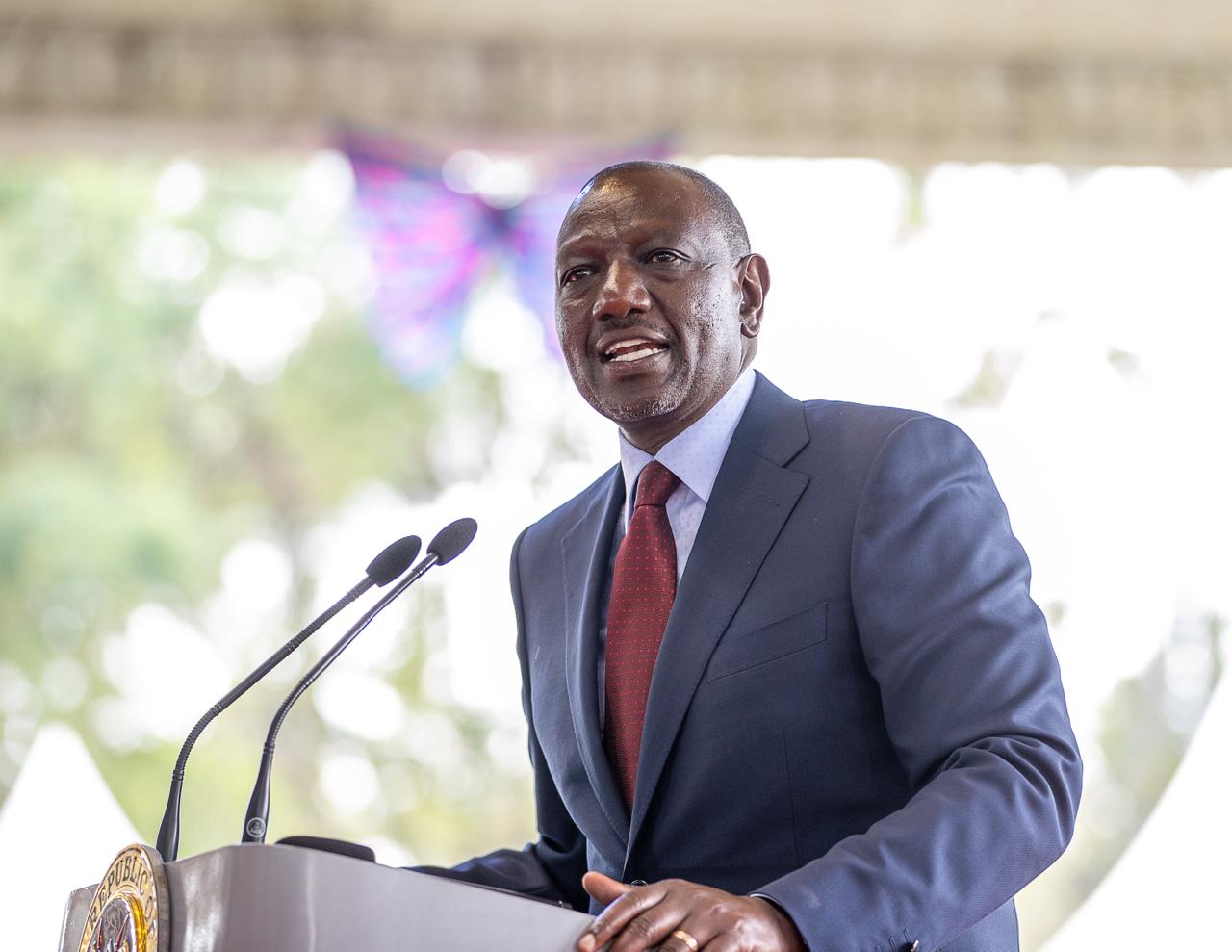
Arnold dismissed claims by Governor Johnson Sakaja that his office should not bear the brunt of the blame.
“There are 20 agencies to blame,” he said. “But the national and county governments bear the greatest responsibility.”
He argued that accountability requires coordinated action, proper funding, and adherence to existing urban development plans.
The PPA leader traced the roots of Nairobi’s urban crisis to decades of inconsistent planning. The last comprehensive city master plan prior to 2014 was developed in 1973.
According to Arnold, this plan was progressive but became obsolete over time. The Nairobi Integrated Urban Master Plan of 2014 was intended to provide a roadmap to 2040, with full reviews scheduled for 2030.
Arnold expressed frustration that successive administrations failed to follow the plan.
Governor Mike Sonko ignored it, Nairobi Metropolitan Services selectively implemented programs without proper attribution, and ongoing political interference has compromised the city’s infrastructure.
“We refused to fund the plan,” Arnold said, noting that corruption in procurement and political maneuvering have left stormwater drainage and housing developments inadequately addressed.
Highlighting the city’s structural challenges, he explained that 5% of Nairobi’s population occupies 75% of its land, resulting in high density in flood-prone areas.
Colonial-era drainage systems are still in place, and hard surfaces in central Nairobi exacerbate flooding.
Arnold said that implementing the 2014 master plan would require 2 trillion shillings by 2030 and involve carefully phased housing and infrastructure programs.
He also criticized the national government for failing to support Nairobi financially despite the city’s critical role as Kenya’s capital, commercial hub, and diplomatic center.
“The national government owes Nairobi over 200 billion shillings in rates, rents, and parking fees,” he stated.
He emphasized that any investment in Nairobi infrastructure is not a favor to the governor but a legal and equitable obligation.
Arnold concluded that Nairobi’s recurrent flooding and urban disorganization result not from a lack of plans but from neglect and underfunding.
With proper implementation of the 2014 master plan, improved coordination between agencies, and funding commitments from both county and national governments, Arnold argued that Nairobi could mitigate flood risks and manage urban growth effectively.
Experts argue that the city already possesses the blueprint and expertise, the challenge lies in political will and coordination.
Without decisive action, urban sprawl and recurrent flooding will continue to threaten residents and the economy.